
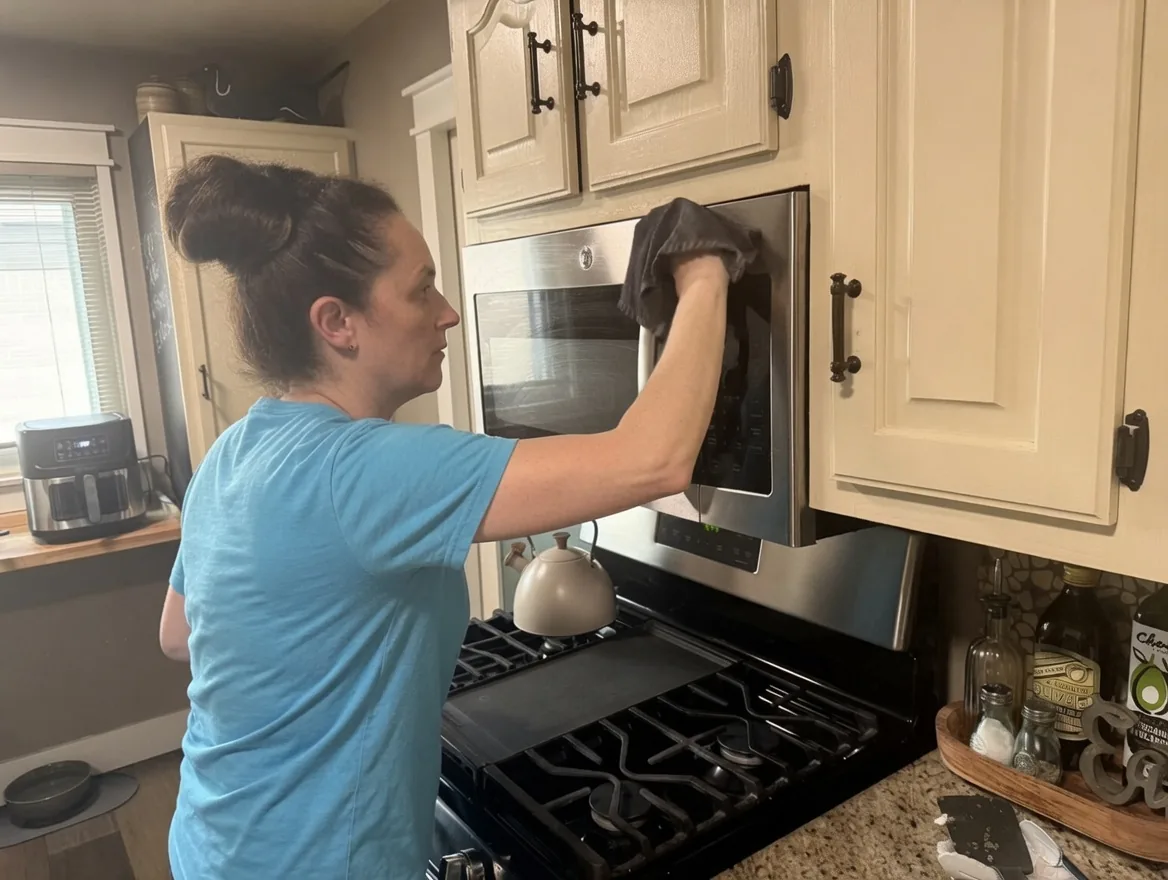
The difference between regular cleaning and deep cleaning is not that one team works hard and the other does not. The difference is the job each visit is designed to do.
Regular cleaning maintains a home that already has a reasonable baseline. Deep cleaning creates or restores that baseline. One keeps ordinary buildup under control; the other gives more time to the details that have fallen behind.
That distinction matters before the first appointment. If a home needs a reset but the visit is priced and scheduled as routine maintenance, the homeowner may expect more than the available time can deliver. A clear service choice protects the result as much as it protects the price.
What is regular or maintenance house cleaning?
Regular cleaning is the repeatable work that keeps a home feeling comfortable from week to week. The exact checklist varies by company and home, but the visit commonly focuses on:
- Cleaning and sanitizing bathrooms
- Wiping kitchen counters and accessible exterior surfaces
- Dusting accessible furniture and surfaces
- Vacuuming carpets and rugs
- Sweeping and mopping hard floors
- Emptying ordinary household trash
- Straightening agreed-upon areas
The key word is maintenance. A recurring cleaner is not starting from zero at every appointment. The schedule prevents ordinary soil from becoming stubborn buildup and allows the team to follow a consistent plan.
For many Royal Oak households, biweekly service offers a practical rhythm: often enough to keep bathrooms, floors, dust, and kitchen surfaces under control without committing to a weekly visit.
What is a deep cleaning?
A deep clean includes the core work of a regular visit but allows more attention for accumulated soil and detailed areas. Depending on the agreed scope, that may include extra work on baseboards, trim, cabinet fronts, fixtures, reachable ledges, window sills, doors, or areas behind and beneath movable items.
The phrase “deep clean” is not a universal checklist. One company may include the inside of an oven; another may treat appliance interiors as add-ons. One may wash all baseboards; another may spot-clean them according to condition. The only definition that matters for your appointment is the written or clearly confirmed scope.
Do not assume the words “deep cleaning” cover every surface, appliance, cabinet, wall, blind, and window in the home. Confirm priorities before the price and time are set.
The simplest way to choose
| Choose regular cleaning when | Begin with a deep cleaning when |
|---|---|
| The home is already in reasonably good condition. | The home has not been professionally cleaned for several months or longer. |
| Bathrooms and kitchen surfaces have routine soil rather than heavy buildup. | Dust and residue are visible on trim, ledges, fixtures, or other details. |
| You are continuing an established recurring schedule. | Kitchen grease, bathroom scale, or floor-edge buildup needs extra work. |
| You want dependable upkeep rather than whole-home restoration in one visit. | You want to establish a cleaner baseline before weekly or biweekly service. |
Condition matters more than pride. A busy family, demanding work schedule, pets, illness, a move, or simple lack of time can cause details to collect. A deep clean is not a verdict on the home. It is a practical way to match the appointment to the work.
Why the first visit often takes longer
A recurring cleaner learns the home: which bathroom needs the most attention, where pet hair collects, which floor requires a particular method, and which details matter most to the homeowner. The first visit includes that learning curve while also addressing whatever accumulated before the schedule began.
Once a baseline is in place, future visits can become more predictable. The team maintains work it already knows instead of discovering new layers of buildup in each room.
This is why an initial deep clean can make recurring service more successful. It gives both the homeowner and cleaning team a realistic starting point. It does not mean every new customer automatically needs the largest possible package. A well-maintained home may be ready to begin with routine service after the condition and priorities are discussed.
Deep cleaning is not the same as move-out cleaning
A move-out cleaning may resemble a deep clean, but an empty home changes the scope. With furniture and belongings removed, cabinet interiors, closets, appliance spaces, shelving, and floor edges become accessible. A landlord, buyer, or new occupant may also judge the property differently from someone maintaining an occupied home.
If you are handing over keys, say so when requesting the quote. Do not assume a general deep-cleaning price automatically includes every move-out task.
The same applies to post-construction dust, mold, biohazards, pest residue, heavy wall washing, and specialized carpet cleaning. These conditions may require a different service, equipment, or specialist.
What should you ask before booking?
- What is included in the quoted service? Ask for the actual rooms and tasks, not only the service name.
- Which tasks are add-ons? Appliance interiors, inside cabinets, interior windows, blinds, and other details may be separate.
- How does the current condition affect the price? Photos or a walkthrough may help define the work.
- Will the first visit prepare the home for recurring service? If so, ask how later appointments will differ.
- What should be accessible before the team arrives? Putting away loose clutter can make more cleaning time available without “cleaning for the cleaner.”
Clear expectations are a better quality-control tool than an enormous generic checklist. They direct the available time toward the result the homeowner actually values.
What does each type of cleaning cost?
Deep cleaning normally costs more than maintenance cleaning because it requires more time and detail. Broad cost guides often estimate a deep clean at roughly one-and-a-half to two times a standard visit, but a multiplier is not a quote. Home size, condition, access, priorities, and included tasks still determine the actual price.
Sparkle Team publishes a local reference for recurring work: $160 per biweekly visit for a typical three-bedroom, two-bath home. First visits and deep cleanings are quoted according to the home and scope.
For a fuller explanation, read How Much Does House Cleaning Cost in Royal Oak?
The right service should make the next visit easier
A successful deep clean does more than produce an impressive afternoon. It creates a home that is easier to maintain. A successful regular clean does more than repeat a checklist. It prevents the rooms that matter most from slipping back into buildup.
If your home already has a good baseline, start with maintenance. If it needs more time and detail, begin with a deep clean and build a recurring plan from there.
Deep cleaning FAQ
What is the difference between regular and deep cleaning?
Regular cleaning maintains an established baseline with repeatable care. Deep cleaning provides more time for accumulated soil and detailed areas that routine visits do not address every time.
Do I need a deep clean before recurring service?
Not always. A well-maintained home may be ready for maintenance cleaning. A home with visible buildup or details that have fallen behind may need a deeper first visit.
Is move-out cleaning the same as deep cleaning?
No. Move-out cleaning is planned around an empty or nearly empty home and may include cabinets, closets, appliance areas, and other handover requirements according to the agreed scope.
How much does deep cleaning cost?
It is quoted according to home size, current condition, access, priorities, and the tasks included. It usually costs more than maintenance cleaning because it requires additional time and detail.

Reviewed by Kellie Erwin
Kellie founded and leads Sparkle Team LLC and brings 26 years of professional cleaning experience to the company’s house-cleaning standards.